Simplify the Web

Easy Blog Integration Part 1

Easy Blog Integration. Three simple words. When you search for them on Google, there will be somewhere close to 2,000,000 websites listed. When you search for them on Yahoo, there will be somewhere close to 51,000,000. DotComOnomics isn't one of them, from what I can tell. I stopped looking after 1,000 search results. After all: I wanted to know how easily we'd be found when someone searched for "easy blog integration". If you're not in the top thousand results, chances are good that nobody will find you by searching for that phrase.

So, it's time for an experiment.

Because we're not in the top 1,000 search results for either Google or Yahoo (the top two search engines), we have a great opportunity to test some of our Search Engine Optimization techniques. Thomas is, as I write this, creating a landing page that's going to bring us search engine traffic when people search for the phrase easy blog integration.

Part Deaux.

When I write Easy Blog Integration Part 2, I'll report on the traffic that comes from search engines. I'll tell you how many visitors we had, and report on our new search rank. You may be surprised at how effective some simple search engine optimization can be, and at how much traffic can be generated in a short amount of time. You may also be surprised at how few search engine optimization techniques will be used.

The reason we care, of course, is that the PageProLive system was designed with easy blog integration in mind. Using our system of Design-Agnostic Development, you can integrate a blog into virtually any design. It's simple and easy!

Stay tuned for Easy Blog Integration Part 2.

Published: Tue, May 20 2008 - 11:35 AM
Tags: Easy Blog Integration |Search Engine Optimization |Yahoo |Google |
Category: Search Engines
Leave a Comment


Simple Image Rotator

There are tons of image rotating scripts on the net. TONS. And it seems that people who program using javascript, (that's the language yer gonna have to use to rotate images or Flash), seem to "over program" their scripts.

A client has a site and on their home page they have a rotating script...a script that is 750+ lines of code, as each image needs to be added to that script, over and over again, WHY? Stop the insanity people! Web isn't difficult!

We came up with s a script that uses "AJAX", simply put, with a simple upload to the directory of images you want rotated and inserting a link to the javascript file and putting a div around the image you want rotated, it's done. Simple, easy, and doesn't add hundreds of lines of code to your web page!

DCO Image Rotator

Published: Wed, May 14 2008 - 19:00 PM
Tags: Javascript Image Rotator |AJAX Image Rotator |Images |Rotating Images |
Category: Javascript
Leave a Comment


Welcome: Action Auto Glass

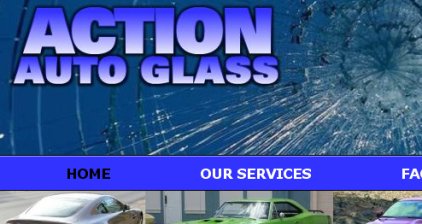
DotComOnomics would like to welcome Action Auto Glass! Located in Denver, this all-Colorado company has been in business since 1994. Owner Loyd Warner is excited to have his own website, and hopes that it will make him more visible to potential clients.

The auto glass industry is incredibly competitive, so we'll be keeping an eye on Loyd's traffic to make sure his website does what it's supposed to: increase his company's ability to serve.

Action auto glass in denver

Published: Mon, Apr 21 2008 - 14:36 PM
Tags: Clients |
Category: News and Info
Leave a Comment


Glossary: HTML and XHTML

What is HTML?


HTML stands for Hyper Text Markup Language. HTML is the language that displays your website's images, headlines, and paragraphs. It's very simple. You can make a paragraph like this:


This is a paragraph 


When you wrap your paragraph in tags like that, you're "marking it up"...describing it as a paragraph so that web browsers can display it properly. You can make a link like this:


This is a link


When you wrap your words in tags like that, you're creating "hyper text"...linking one page to another page, or a file (like a downloadable PDF).


What is XHTML?


XHTML is a more precise and strict version of HTML, making your website more usable for virtually all visitors, even those using cell phones and PDAs.

Published: Mon, Apr 21 2008 - 10:45 AM
Tags: Glossary |HTML |XHTML |
Category: (X)HTML
Leave a Comment


Don't Settle For Mediocrity

Let's face it, with so many options on the Internet and all the many "designers" that exist, one can easily get confused quickly and wonder what is best. Should you have a site that is well designed and makes people feel comfortable? Should your color scheme make a difference? Is your logo professional? Do you need a logo? What kind of layout should you choose? What kind of site should you choose? (brochure,ecommerce,lead gen,informational, etc)


With all of the choices that exist in the world of "website design" one can easily get lost and find themselves with a site that doesn't do what they ultimately need done. Many people we get a chance to talk to say that they had their site designed and paid a lot of money for that site to be designed. They like the design they like the look and feel, but they don't get any traffic. Why?


The answer is simple, don't settle for mediocrity. There are many "designers" willing to give you the greatest site with the latest technology and willing to make it look great. However, there aren't many out ther that make sure you get what you need and make sure that your site doesn't get in its own way. Take some time to look at your site and look at others, if it uses a lot of "code" to show your message, then you probably shouldn't use that design. Here are some simple tips and thoughts you keep an eye out for when trying to get a site designed:


1. Great Look Doesn't Mean Great Code


Just because your site looks nice doesn't mean that a search engine can view it. Take some time to look at the code that your site renders. It's easy! Just right click the page and select "view source". Make sure it's on an empty area of the page not on an image or a flash part of the site. Once you do you will see what the search engines see, code! Just look at the scroll bar on the right...is the bar big or none existant or is it "itty bitty". If you are trying to say something simple on your page, say a paragraph or two, and your bar is "itty bitty" then the code of your site isn't that great. In essence, your taking a ton of code to say very little and thus your position in the search engines will be affected.


2. You're Paying For It, Make Sure You Don't Settle


You're paying for a site to enable your business or idea to be found on the Internet and ultimately represent you or your organization. If something isn't how you like it, SPEAK UP! Designers design. They take ideas and make it a, virtual, reality. However, designers aren't mind readers!


Don't for one moment think that you are affecting the creative process by not giving any direction. That open ended approach costs more, as the designer charges you for time to create multiple ideas, and ultimately it only ends in frustration as it isn't your idea they are creating but their idea of what they think you should be represented as. Take some time to figure out what you want and what you like, find some sites that you like and explain why, you will find your level of satisfaction greater.


3. Designers Don't Know Everything


Don't expect designers to know what you and your company does. You are the subject matter. If you know what sells and what the people that are looking for your service or product want then tell the designer. Help them know what you're looking for and they will make sure your idea(s) are transferred to a site that will ultimately enable you and not hinder.


There are many other things out there that you can keep in mind, just make sure that youa re keeping your thoughts straight, that you take the time to think things through and realize that you are in control of your site. If you don't take the time to think it through and think about what you want, then you could end up with a site that you don't like and start looking for someone else all over again.
Published: Sat, Apr 5 2008 - 11:36 AM
Tags: Website Design |Design Basics |Need To Know Site Basics |
Category: Design
Leave a Comment


<< Newer Posts | Older Posts >>